
WHO names Kingston University a global leader in disability-inclusive health research
By Tilly O'Brien 13th Jan 2026


Kingston University has been recognised by the World Health Organization (WHO) as a global exemplar in disability‑inclusive health research, following the publication of a major new report highlighting best practice around the world.
The WHO report, entitled Good practices on disability-inclusive health, showcases the University's pioneering approach to involving people with intellectual disabilities as active researchers rather than solely as participants in studies.
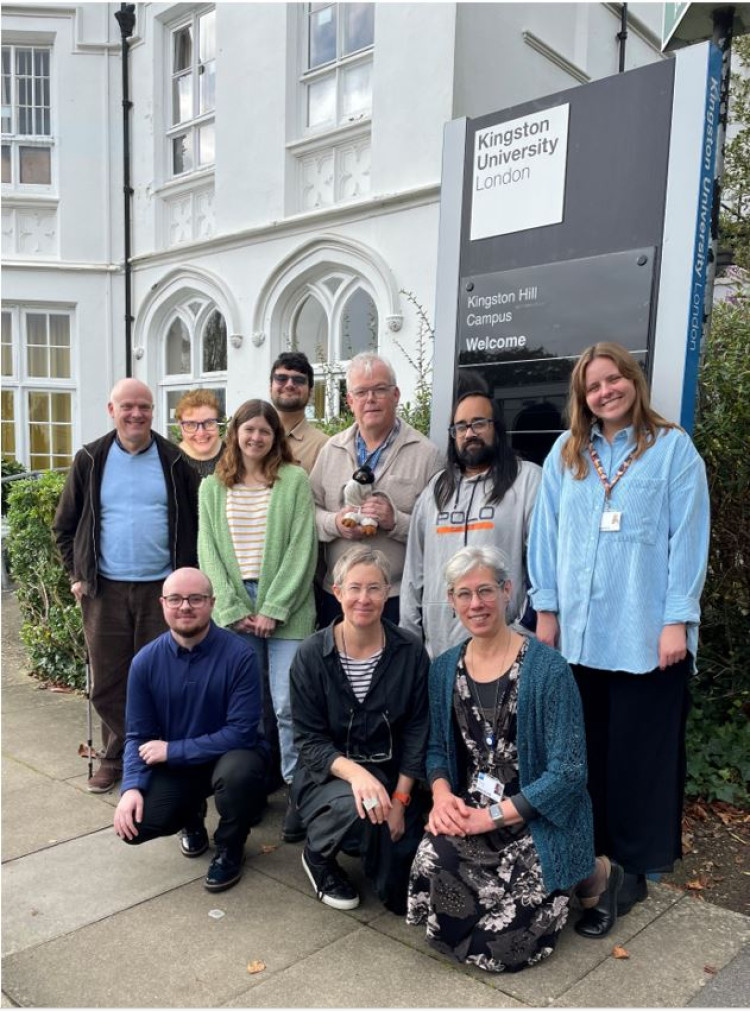
Central to the recognition is Kingston University Intellectual Disability (KIND) research group, led by Professor of Intellectual Disability and Palliative Care Irene Tuffrey-Wijne.
Since 2020, the group has fundamentally transformed how health research is conducted by employing several researchers with intellectual disabilities as equal partners.
Together they co-produce studies on critical and often overlooked topics including palliative and end-of-life care, death, dying, bereavement and health equity.
A centrepiece of the KIND group's impact is the development of the Victoria and Stuart toolkit. This innovative resource, designed to support difficult conversations about dying, has become a national benchmark for inclusive end-of-life planning.
The WHO report highlights how the toolkit has been adopted by NHS Trusts, service providers and training programs across the UK, as well as being translated for use internationally.
Download our Nub News App!
- It’s FREE and available now- Breaking news notifications
- Your Town in Your Pocket


The report also spotlights Kingston University's delivery of research training courses to 18 students with intellectual disabilities, 13 of whom have since secured paid research positions.
In addition the KIND group has contributed to the Learning Disability Mortality Review (LeDeR) – a major NHS England report investigating avoidable deaths of people with learning disabilities.
Professor Tuffrey-Wijne emphasised the importance of involving people with learning disabilities in health and social care research.
She said: "They really are the experts about their own lives, together with their families and carers. Inclusive research leads to better policies and resources, like our co-produced end-of-life care planning toolkit.
"The KIND Research Group could not do this without the support of Kingston University in making reasonable adjustments to enable the employment of disabled researchers."
Mo Hakim, one of the researchers in the group who has an intellectual disability, said he became a researcher to make a difference.
He added: "I once heard people say people with learning disabilities are the most discriminated against. That really resonated with me, looking back at a lot of my own life experience.
"It does seem like people with learning disabilities don't have a lot of social support and I would really like to see that change. I really hope that we can help to make a big difference in that."
The WHO report concludes the KIND group serves as a vital evidence-based case study for other nations aiming to achieve the highest attainable standard of health for people with disabilities.
Download our Nub News App:
- It’s FREE and available now
- Breaking news notifications
- Your Town in Your Pocket
Share: