
Citizen scientists uncover dangerous pollution levels in the Thames at Kingston
By Eleni Barrett 18th Sep 2026
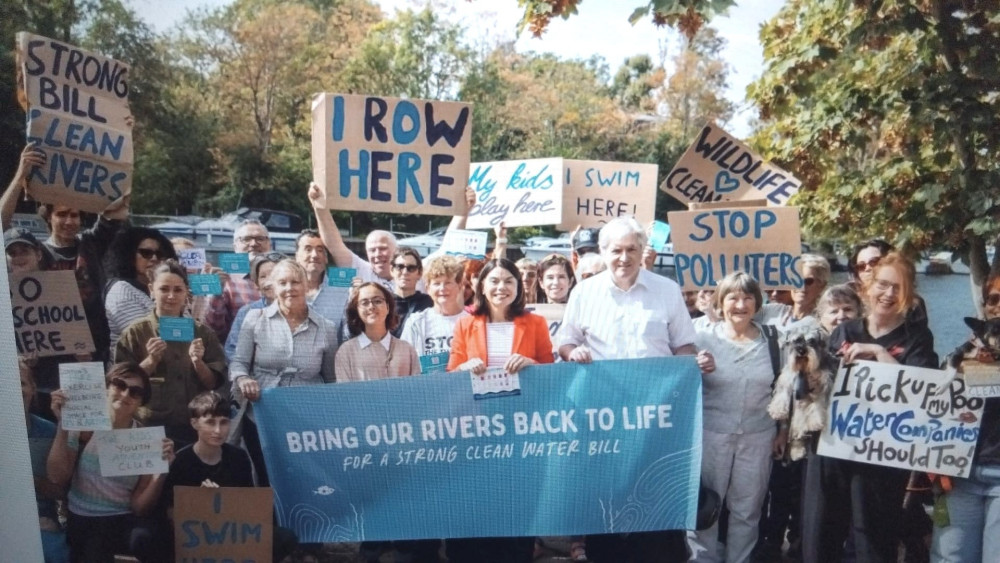

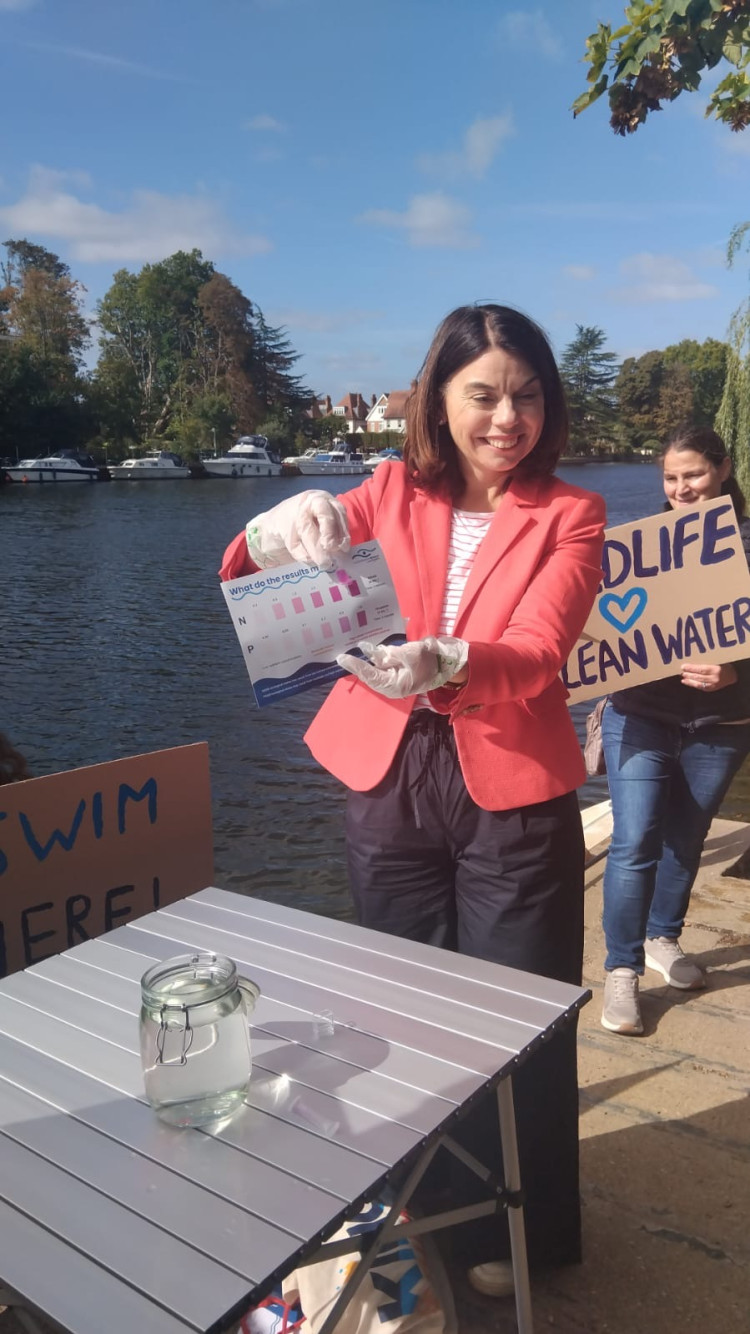
Today (Friday, 18 September) marked the start of Earthwatch's biggest ever WaterBlitz, with Sarah Olney, MP for Richmond Park, testing the water's cleanliness in Kingston.
WaterBlitz is a nationwide citizen-science initiative aiming to measure water quality. It is taking place across the country from Friday until Monday (21 September) with over 6000 people in the UK participating.
The Thames is important to Kingston and surrounding areas, and many residents say they feel a personal connection to the river as a number of people swim, paddle, row or paddleboard in the river locally.
One group that benefits from the Thames' cleanliness is the Teddington Bluetits whose membership numbers has grown to over 2400 in recent years.
Charlie Cameron from Richmond Canoe Club said that the club is concerned about the cleanliness of the river, saying that "the water was deemed too toxic" on one of the hottest days this summer.
They added that the river is best for "mental health [and] community" but that the club is "seeing more and more days when we're being told [not to] go in the river".
Tilly Evans, a local A-level student at the event, said: "So many people use the river and everyone after school when it's really warm would go down and jump in during the summer months."
Download our Nub News App!
- It’s FREE and available now- Breaking news notifications
- Your Town in Your Pocket


The water testing itself showed there to be a high nitrate concentration in the Thames (at least 5.0mg/L), with the river's natural levels being well below 1.0mg/L.
Nitrate levels this high are often driven by human activity such as fertiliser runoff in agricultural areas or sewage entering the water. High nitrate levels are typically deemed unsafe and often correspond to higher e.coli populations.
Sarah Olney MP also tested the water's phosphate levels, with the current levels being 0.2mg/L – over 10 times higher than natural levels. This has led to excessive algae growth in the Thames and disruptions to the ecosystem.
Ms Olney expressed concern about Thames Water's Teddington Direct River Abstraction (TDRA) Plan, which will replace freshwater from the Thames with wastewater still containing traces of microplastics and pharmaceuticals.
These plans have not yet been enacted, but would undoubtedly elevate both phosphate and nitrate levels in the Thames.
Ms Olney added that Thames Water "need[s] to start coming forward and having answers to all of the questions people have locally about the health of the river".
She told Nub News that the nationwide testing "will send a powerful message to the government especially as they're bringing forward their Clean Water Bill about the extent of the work needed to clean up our rivers".
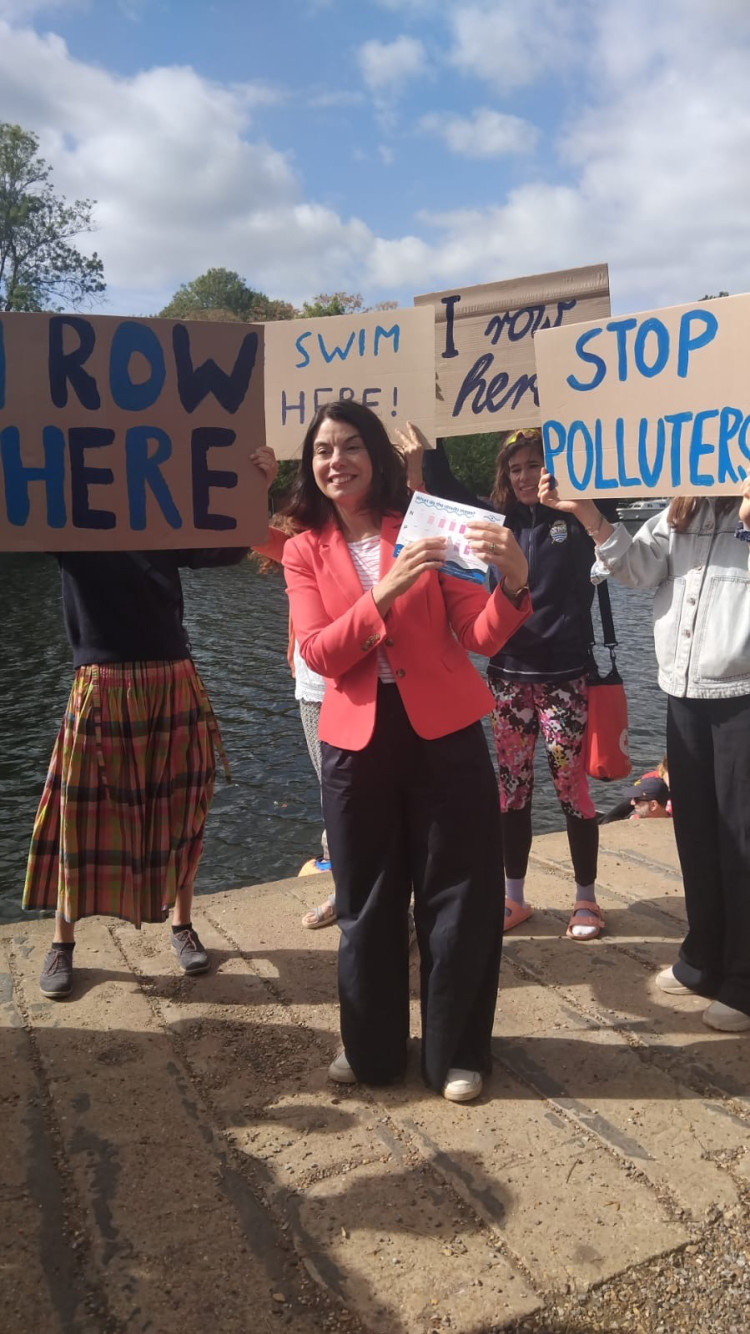

The MP added: "So many people have a really personal relationship with the river…it's such an important part of people's lives."
The national data will be compiled in a report and presented to the government, shaping the proposed Clean Water Bill.
Download our Nub News App:
- It’s FREE and available now
- Breaking news notifications
- Your Town in Your Pocket

Share: