Kingston co-living site runs on heat pumps and solar - could a 1930s Surbiton semi do the same?
By Tilly O'Brien 29th Nov 2026
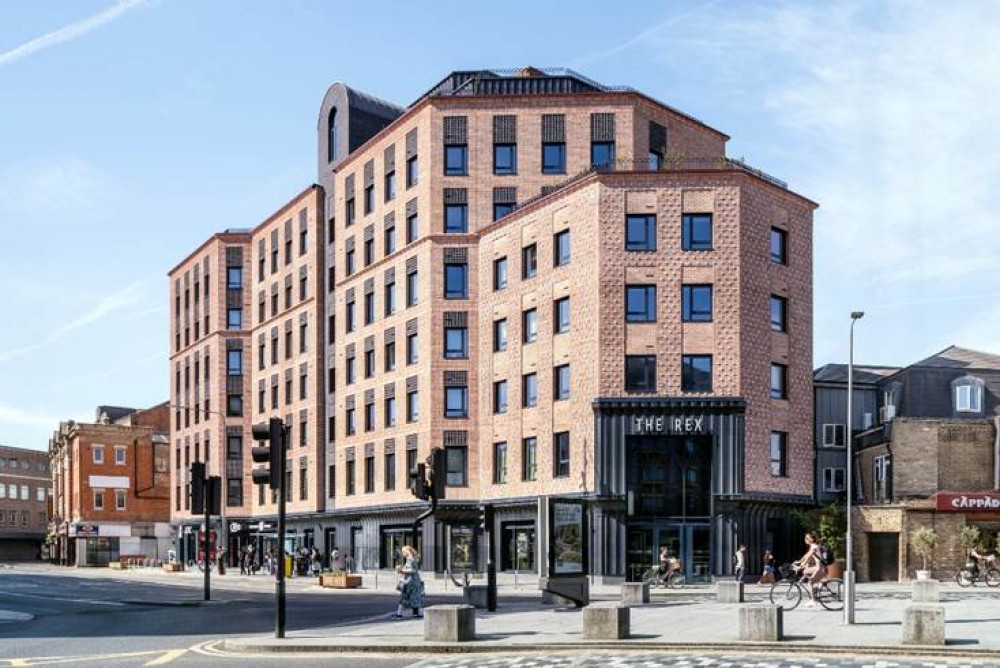


The co-living block opposite Kingston Station heats 212 homes without gas, so heat pump installer Adam Dare explains what a survey checks before an older house can follow it.
A former office site opposite Kingston Station was converted into a co-living space called The Rex earlier this month, comprising 212 co-living apartments. Air source heat pumps supply its heat, solar panels generate power, and the building uses no fossil fuels.
A 1930s semi on a Surbiton or Tolworth street can run on the same equipment, starting from the house as it stands: suspended floors or solid ones, cavity walls that may or may not be filled, a combi on the kitchen wall. A survey turns those details into numbers.
Heat loss, worked out room by room
The surveyor measures each room, notes what its walls, windows, floor and ceiling are made of, and calculates the heat it loses on a cold day.
MCS, the body that certifies heat pump installers, says rules of thumb based on floor area should never be used for the final design. The rooms added together give the size of heat pump the house needs.
An oversized unit costs more and switches on and off too often, while an undersized one leaves the house cold in January. Anyone comparing quotes for heat pump installation in Kingston upon Thames can ask each installer to show the room-by-room figures before signing.
Which radiators can stay
Heat pumps run the heating water cooler than a gas boiler, so each radiator gives out less heat than before. Room by room, the survey sets the heat loss against what the existing radiator can deliver at the lower temperature.
In a 1930s semi, the bay-fronted living room may need a larger radiator while a small back bedroom keeps its own. This guide to what a heat loss survey measures shows how the figures are reached.

Finding room for a cylinder
A combi heats water on demand, so plenty of 1930s houses lost their hot water cylinder when one went in. A heat pump needs a cylinder back, with a heat exchanger that MCS guidance says must suit the heat pump's temperatures and output.
The old airing cupboard is the first place to check; if it became part of a bathroom years ago, the loft or a utility room come next.
The outdoor unit on a tight plot
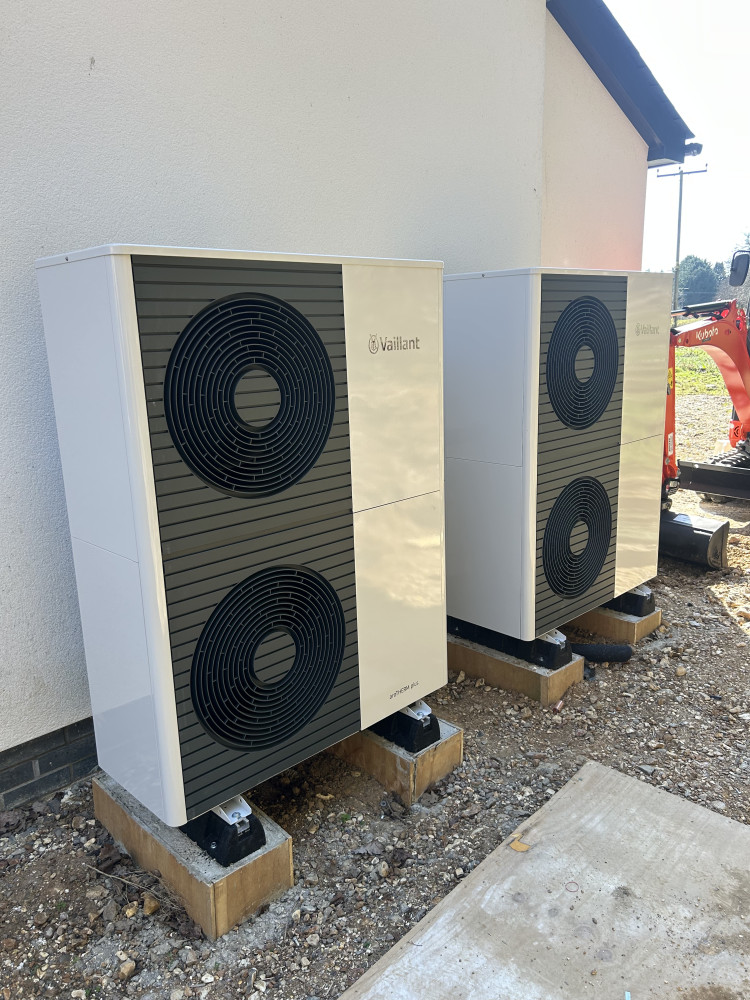
Until 29 May 2025, a heat pump in England needed a planning application if it stood within a metre of the boundary, which ruled out plenty of narrow side passages between semis. That condition has gone.
A semi can now have one unit up to 1.5 cubic metres under permitted development, provided it passes the MCS 020 a) noise calculation: 37 dB(A) or less one metre outside the nearest door or window of a neighbour's bedroom or living room. A solid fence in between counts in the sum.
In a conservation area, the unit cannot go on a wall or roof that fronts a road, or sit nearer the road than the house.
Listed houses need planning permission wherever the unit goes. If the noise figure comes out too high, moving the unit or adding a barrier can bring it under the limit, and a planning application is the fallback.
Solar on the same roof
Adding a heat pump raises the electricity you buy, so power from your own roof is worth more once the gas boiler has gone.

Panels produce the bulk of their output in summer, when the heat pump is heating little beyond hot water, so the pairing pays best with a battery or an export tariff. An explainer on how a heat pump and solar panels work together covers the sums.
The grant
The Boiler Upgrade Scheme gives £7,500 towards an air source heat pump in England and Wales.
You need to own the property and be replacing fossil fuel heating, and the installer has to commission the system within 120 days of the application.
The government's eligibility page lists electric heating among the systems it replaces, so a house on old storage heaters can qualify too.
Adam Dare is Managing Director of Eco Renewables in Binfield, Berkshire, which is MCS certified for heat pumps and an approved installer for Grant and Vaillant.
He is Gas Safe registered and designs heat pump, solar and battery systems for homes across Berkshire, Surrey and west London.
Download our Nub News App:
- It’s FREE and available now
- Breaking news notifications
- Your Town in Your Pocket




Share: