
Help save Kew's Palm House - an urgent call for donations to protect a living legacy
By Tilly O'Brien 6th Oct 2026
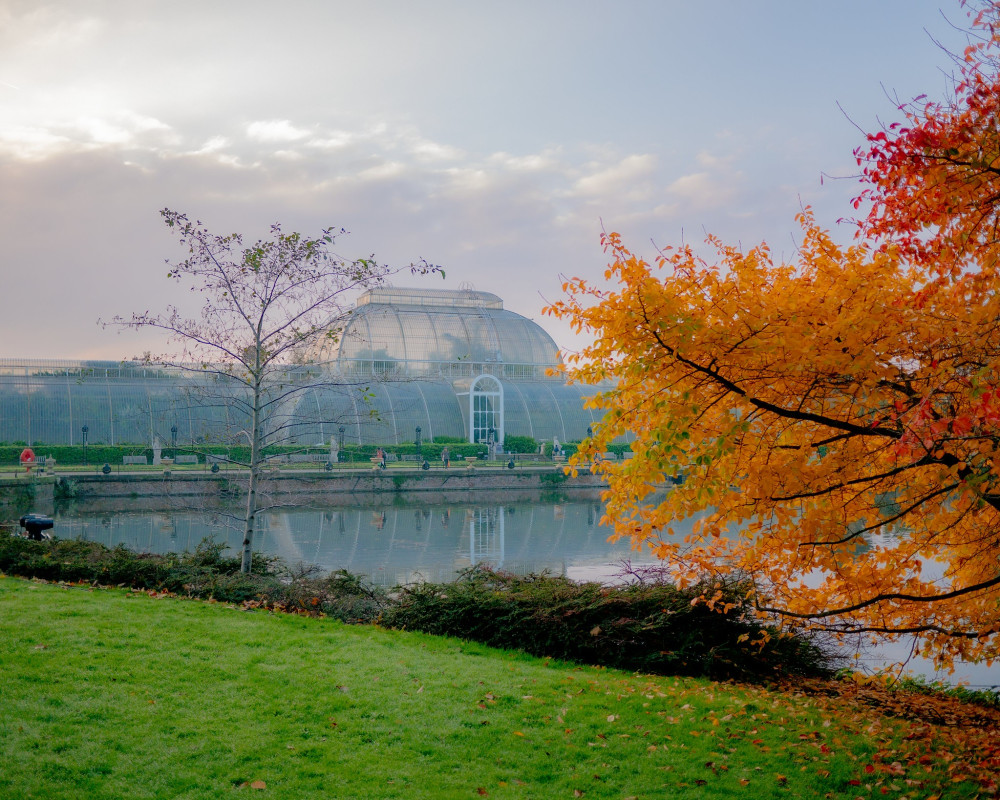

The Royal Botanic Gardens, Kew (RBG Kew) is calling on the nation to help save one of Britain's most iconic landmarks with the launch of a major public appeal to raise £1 million towards the renovation of the historic Palm House.
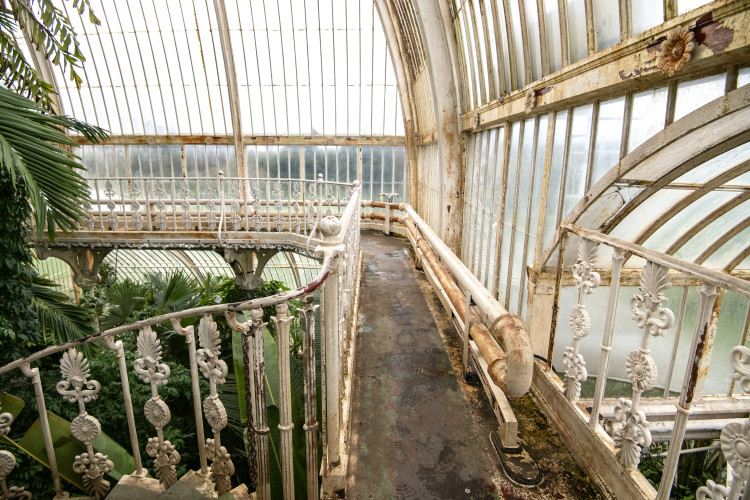
The Victorian glasshouse, which has stood at the heart of Kew Gardens in London since 1848, is one of the world's most famous glasshouses. But after almost 180 years exposed to extreme heat and humidity, it now faces an urgent need for major renovation.
The total project is expected to cost £66 million. Kew has secured approximately half of the funds, and is now asking the public to come together to help raise £1 million towards securing the Palm House's future.
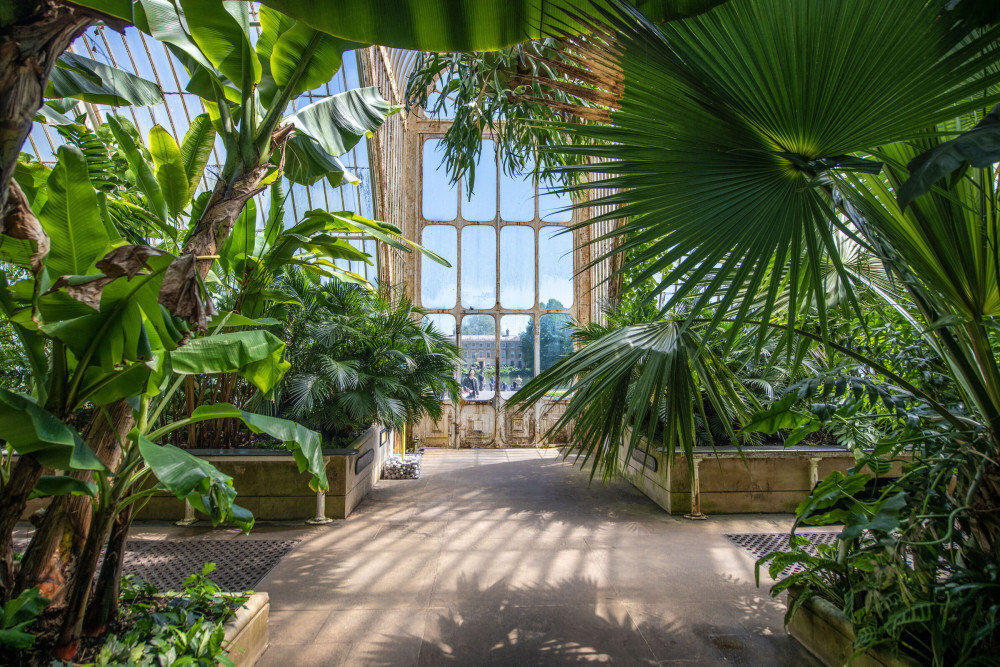
The Palm House is far more than just a beautiful Victorian landmark. Behind its famous glass walls is a living collection of tropical plants from around the world, including plants that are rare, threatened and even extinct in the wild.
These plants support Kew's research into preventing biodiversity loss, conservation, food security and novel ways to protect the future of our planet.
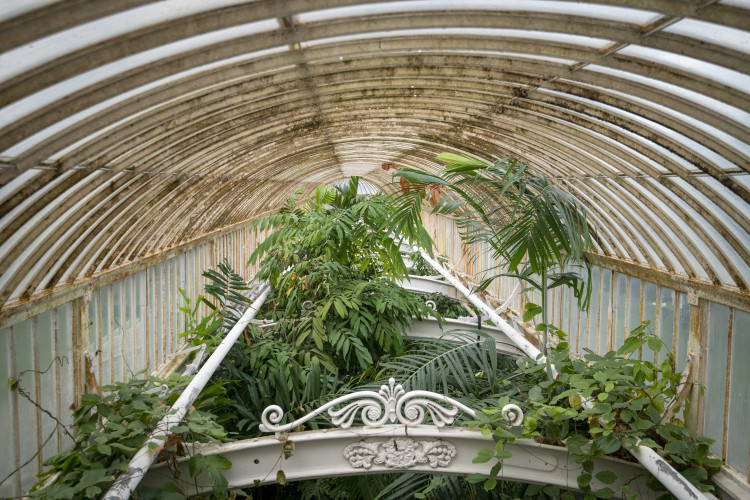
Built at a time when Victorian engineers were pushing the boundaries of what was possible, the Palm House was a building of the future. Kew now wants to give it a future of its own and safeguard the building and its invaluable collections for generations to come.
The planned renovation will preserve the Palm House's extraordinary heritage while bringing this landmark into the 21st century through pioneering sustainable engineering.
Download our Nub News App!
- It’s FREE and available now- Breaking news notifications
- Your Town in Your Pocket


Improvements will include new glazing, a move to renewable heating systems and the integration of rainwater harvesting tanks, with Kew aiming to create the first carbon neutral glasshouse of its kind.
Speaking about the appeal, Richard Deverell, Director of Royal Botanic Gardens, Kew said: "For generations, the Palm House has been a place where people encounter the extraordinary diversity of life on Earth. It is a building that has inspired wonder for almost 180 years, but its future cannot be taken for granted.
"We have reached an important milestone, with half of the funding already secured thanks to generous philanthropists, grants and individuals. Now we are asking the public to help us raise the next £1 million.
"Every donation, however large or small, will help protect this extraordinary building and the collection within it for generations to come."
There are many ways to support this vital renovation through the landmark appeal: by making a direct donation, sponsoring a pane of glass or sponsoring a tropical plant species, like Clay's hibiscus (Hibiscus clayi) or the giant dioon (Dioon spinulosum).
Donations up to £300,000 will be matched, and all funds raised will support the Palm House Renovation Project and help ensure future generations can continue to discover, study and be inspired by tropical plants.
To provide insight on the Palm House and the importance on rainforest plants, a You Gov survey commissioned by RBG Kew has found that people recognise rainforests as vital ecosystems but overlook the plants that underpin them, with seven in ten Britons unaware of the role tropical rainforests play in providing medicines.

The findings expose a stark gap between public concern for the world's tropical rainforests and understanding of the plants these ecosystems are built on.
The research found that nearly two-thirds (64 per cent) of Britons consider tropical rainforests among the most important habitats in the world to protect.
Yet only 30 per cent associate them with medicines despite the fact around a quarter of all modern medicines are derived from tropical rainforest plants.
Furthermore, almost a quarter (22 per cent) fail to associate rainforests with commodities such as coffee and chocolate, despite the vital role that rainforests play in the origin and the future resilience of these globally important crops.
Tom Pickering, Head of Glasshouses at RBG Kew, added: "Rainforests capture people's imagination because of the remarkable diversity of life they support.
"However, this research suggests many people are less aware of the extraordinary plants these ecosystems rely on or their essential medicinal value.
"At a time of accelerating climate change and biodiversity loss, understanding the far-reaching importance of rainforests has never been more critical. We depend on them for the regulation of our climate, their resources, medicines and as homes for millions of people."
To find out more, click here.

Download our Nub News App:
- It’s FREE and available now
- Breaking news notifications
- Your Town in Your Pocket

Share: