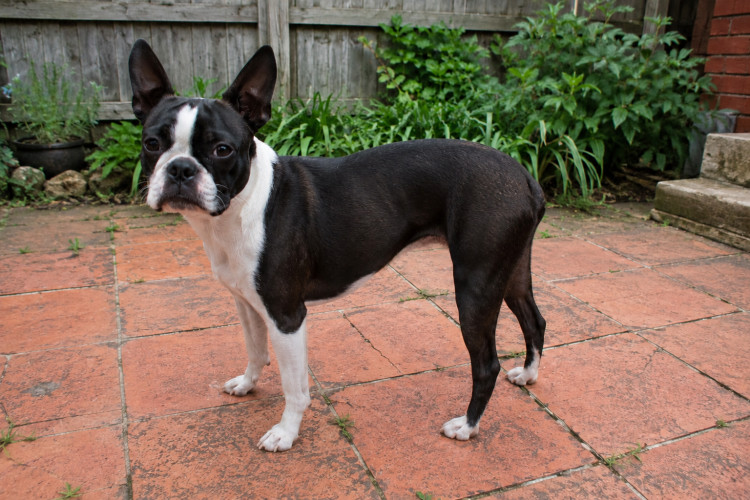
Is Dog Insurance Worth It for UK Owners?
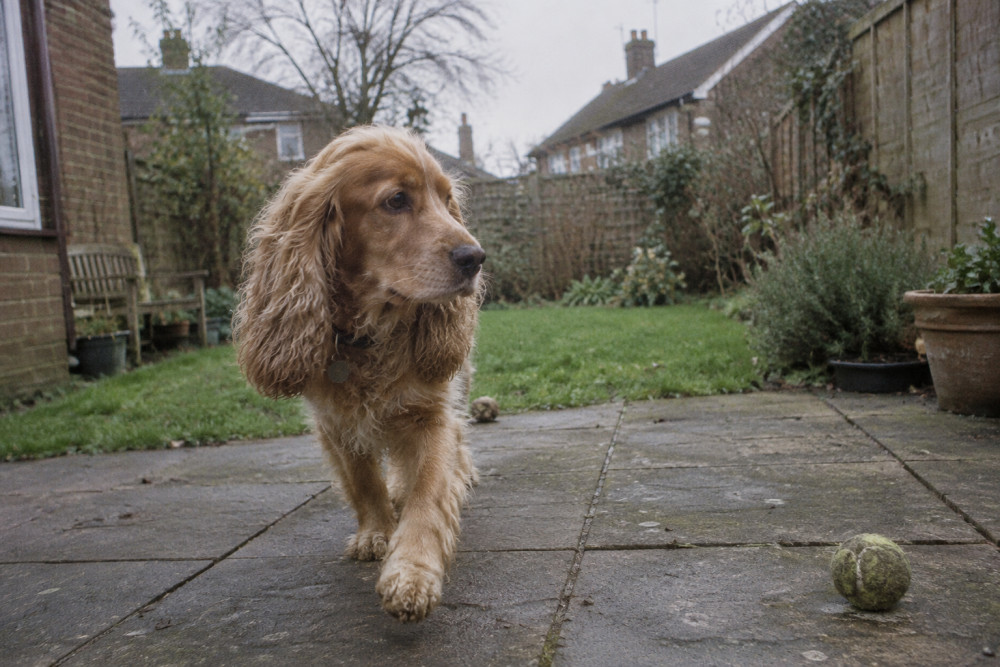
Sam isn't the only one weighing it up. In the PDSA's 2025 animal wellbeing survey, 51% of pet owners said they worried about affording vet care, and 15% said they'd mainly put an unexpected vet bill on a credit card (PDSA PAW Report 2025).
Those figures point to the real question. Whether insurance is worth it has less to do with coming out ahead and more to do with what you'd do if a large bill arrived next month.
You might never get your money back
Many dogs go through life with a few minor illnesses and nothing more. Their owners pay premiums every year and claim far less than they've put in. Premiums from healthy pets pay the bills for the ones that get ill or injured.
Judged as an investment, a policy will often look like a poor one. That isn't really what you're paying for.
Why people pay anyway
Insurance can limit how much a bad year costs you. For conditions the policy covers, your share is the premium, the excess (a fixed amount you pay towards each claim) and any co-payment (a percentage of the bill some policies ask you to pay), up to the policy limit. Anything above that limit, or outside the cover, is still yours.
Without it, a bad year is whatever the vet charges: surgery after an accident, weeks of tests for a mystery illness, or medicine for the rest of your dog's life.
It can also make cost a smaller part of decisions at the vet's. Owners without cover sometimes have to choose treatment based on what they can pay that day, which is a hard place to be with a dog in pain.
Is accident-only enough?
Accident-only is the cheapest kind of cover. It pays towards injuries, such as a broken leg or a road accident, within the policy's terms. It pays nothing towards illness, and illness includes the conditions that can need months or years of treatment, such as allergies, arthritis or diabetes.
It suits owners on a tight budget who want some protection and know what it leaves out. The step up is cover that includes illness, which pays towards tests, treatment and medicine for an ongoing condition, up to the limit you choose, for a higher premium.
When going without can work
Some owners choose to save instead. It can work if you have a sizeable pot set aside only for vet bills and you'd be comfortable spending several thousand pounds of it at short notice.
The weak spot is timing. A pot built up over years doesn't help a young dog who needs surgery in its first year. And if a lifelong condition appears, the pot has to keep paying for as long as the condition lasts.
If your answer to a big bill would be borrowing, a credit card or a payment plan, insurance tends to make more sense than hoping for the best.
Put a number on your worst case
Rather than guessing, ask your vet practice what a few serious treatments cost there: an operation on a torn knee ligament, an overnight stay on a drip, surgery to remove something swallowed. Those prices will also tell you whether a policy's limit is generous or thin.
Then look at your savings honestly. Could you pay the biggest of those bills tomorrow, and again next year if the problem came back? If the answer is yes, self-insuring is a real option. If you hesitated, that hesitation is the case for insurance.
Sam hesitated. Juno's savings pot was a few months old, so the quotes got a second look.
Still worth it for an older dog?
The question changes once a dog is older and already insured. Premiums tend to rise with age, and a big renewal increase can make cancelling look tempting.
Start with what the policy still covers. If your dog has a condition that's covered now, cancelling means paying for it yourself, and a new policy later would very likely exclude it. If your dog has nothing ongoing, the sums are closer, and savings may do the job.
Before deciding, ask your insurer to explain the increase and what your options are. Then compare the extra premium with what you could realistically put aside each month, and with the prices your vet gave you.
If you decide to self-insure
Open a separate savings account for vet bills and pay into it every month, including the months when nothing goes wrong. Treat it as your dog's money, and don't dip into it for anything else.
New kingston Jobs Section Launched!!
Vacancies updated hourly!!
Click here: kingston jobs
Share: