
Surbiton tutors share simple tips to help children learn times tables
By Nub News Reporter 16th Mar 2026
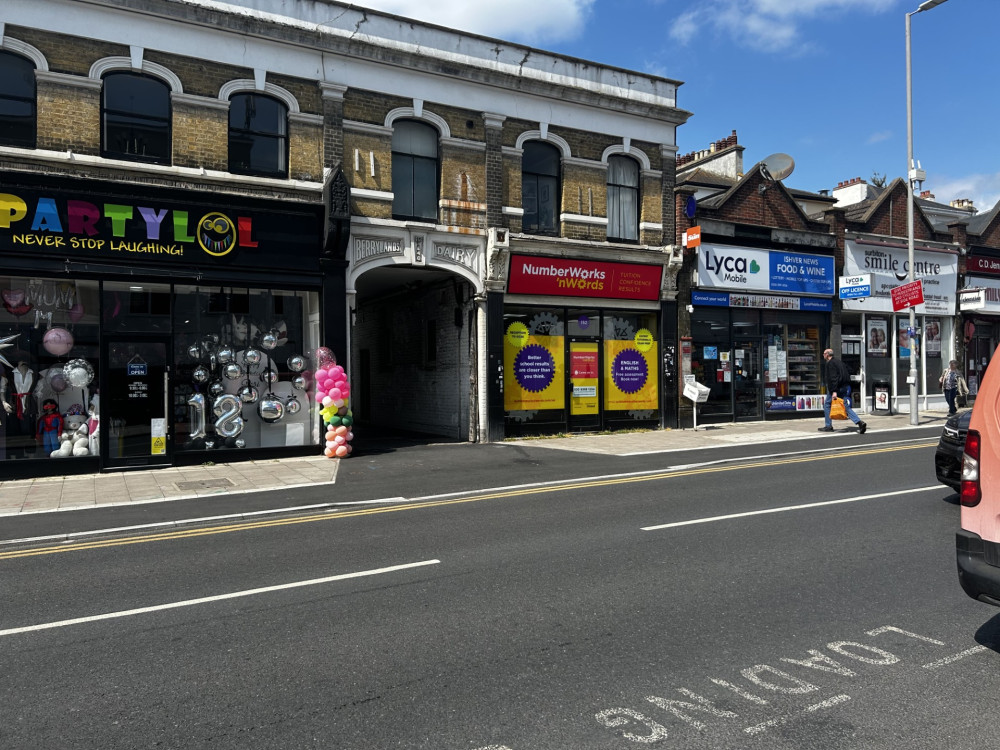

Parents in Surbiton looking to help their children master multiplication may be relieved to hear that learning times tables does not have to be stressful.
Education specialists at NumberWorks'nWords Surbiton say there are a number of creative and practical ways to help children learn their times tables more easily – and even enjoy the process.
According to the team at NumberWorks'nWords Surbiton, many people assume children must memorise 144 different multiplication facts for the numbers one to twelve.
In reality, because multiplication works both ways, meaning three times four is the same as four times three, there are only 78 unique facts to learn.
This makes the challenge far less intimidating for children starting to build confidence with numbers.
One technique suggested by the Surbiton tutors is using stories and visual images to help children remember tricky sums.
Creating a simple story or drawing a picture can turn abstract numbers into something more memorable.
For example, if a child struggles with three times seven, parents might imagine a house with three doors, each hiding a key with seven teeth. Visualising the scene helps them see that three groups of seven equals 21.
Download our Nub News App!
- It’s FREE and available now- Breaking news notifications
- Your Town in Your Pocket


Linking multiplication to things children already know can also make learning easier.
If a child knows that ten times eight equals 80, they can work out five times eight by halving the total to reach 40.
Recognising these patterns helps children understand how multiplication works rather than simply memorising answers.
Tutors also recommend using hands, toys or everyday objects to demonstrate multiplication. Visualising eight hands with five fingers on each, for instance, makes it easier to understand why five times eight equals 40.
Patterns and rhythm can help too. Some times tables naturally follow memorable patterns, such as the nine times table, where the digits in the answer always add up to nine.
Singing tables as a song or clapping out rhythms can also make the numbers easier to recall.
Another key piece of advice is to keep practice short and regular. Just five to ten minutes a day is often more effective than longer sessions that leave children tired or frustrated.
Games such as multiplication bingo, matching cards or quick quizzes can help keep children engaged while they practise.

The tutors emphasise that patience and encouragement are essential, particularly when children find certain tables more difficult than others.
By turning numbers into stories, images and games, they say children can build confidence in their maths skills while developing a stronger understanding of multiplication.
Parents who feel their child may need additional support with times tables can contact NumberWorks'nWords Surbiton to arrange a free, no-obligation assessment at their nearest centre.
NumberWorks'nWords is a sponsor of Kingston Nub News, without our sponsors, our Ealing online newspaper would not be possible. Thank you.
Download our Nub News App:
- It’s FREE and available now
- Breaking news notifications
- Your Town in Your Pocket

Share: