
In a city getting hotter, Old Malden has been quietly planting its answer
By Guest author 29th Jun 2026
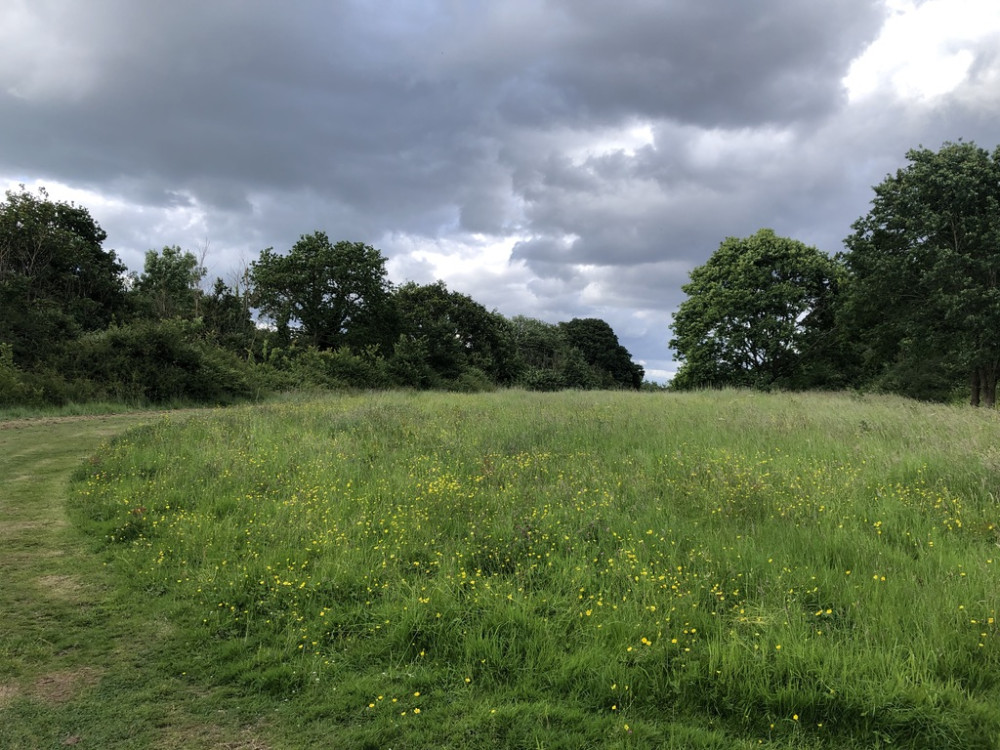

There is a moment, usually in late April, when you turn onto Glebe Gardens or walk along Lawrence Avenue and something catches you off guard.
The crab apple trees are in full blossom, hawthorns are flowering, rowans are just coming into leaf. And you find yourself thinking: when did Old Malden start looking like this?
It feels as though it has always been this way. But much of it has changed over the past four years, through a sustained ward-level greening programme initiated and driven locally by Cllr Mike Massimi, delivered in partnership with Kingston's tree management teams and local contractors.
A ward quietly changing
New environmental data published by Friends of the Earth shows Old Malden now records around 21.7% summer tree canopy cover, placing it among the higher-performing wards in London and second within Kingston upon Thames.
Across London's more than 600 wards, this places it within the upper tier for urban canopy coverage, a noticeable shift in a city where canopy loss has been a growing concern.
For residents walking along the Hogsmill corridor or near Southwood Open Space, the change is increasingly visible in everyday life: more shade, more seasonal variation, and greener street environment across the ward than in previous years.
By the numbers
Over the past four years, the ward programme has delivered:
- nearly 200 new street trees
- more than 26 species introduced
- a mix of native, fruiting, and ornamental planting
- expanded canopy coverage across residential streets and green corridors
This has been achieved through coordinated work between Kingston's Tree Management and Communities teams, ATS Tree Services, and the tenacity of Cllr Massimi.

What has been planted
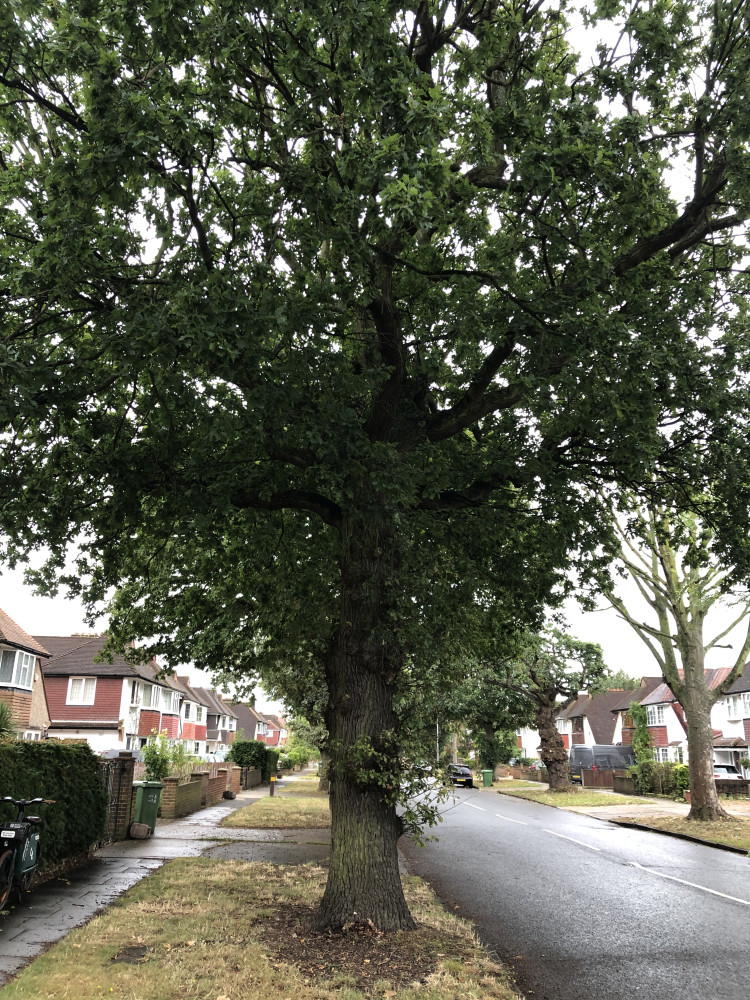
Rather than a uniform approach, planting has focused on diversity, resilience, and long-term ecological value.
Native species such as hawthorn, rowan, hornbeam, field maple, alder and beech now appear across residential streets, supporting insect life and seasonal bird populations while adapting well to urban conditions.
Alongside these are fruiting and ornamental trees, including multiple varieties of crab apple, ornamental pears, cherries, and occasional larger specimens such as walnut and black mulberry.
On Sheephouse Way, a young black mulberry stands out as one of the more unusual additions.
Once widely planted in England in the 17th century, it is a slow-growing tree capable of living for centuries, a reminder that some planting decisions are made on timescales well beyond a single electoral cycle.
Elsewhere, medlar trees appear in select locations. Once common in medieval orchards, they are now rarely seen in urban planting schemes, producing fruit that is traditionally harvested only after the first frosts.
Ginkgo biloba, with their distinctive fan-shaped leaves turning bright gold in autumn, add another layer of resilience and botanical diversity. As a living fossil species, they are among the most climate-tolerant trees in cultivation.
Why it matters
Urban tree canopy is increasingly recognised as critical infrastructure rather than ornamental landscaping.
In hotter summers, shaded streets can be several degrees cooler than exposed roads due to both direct shading and evapotranspiration, the natural cooling effect created as trees release moisture through their leaves. The difference is most noticeable during heatwave conditions.
Tree roots also play an important role in managing rainfall, slowing runoff and improving absorption during heavy downpours, particularly in lower-lying areas near the Hogsmill corridor.
Air quality benefits are also well documented, with trees helping to filter particulate matter and absorb nitrogen dioxide from traffic sources.
From a biodiversity perspective, a varied urban canopy creates layered habitats that support insects, birds, bats and small mammals, gradually turning residential streets into more connected ecological corridors.
The Hogsmill and everyday nature
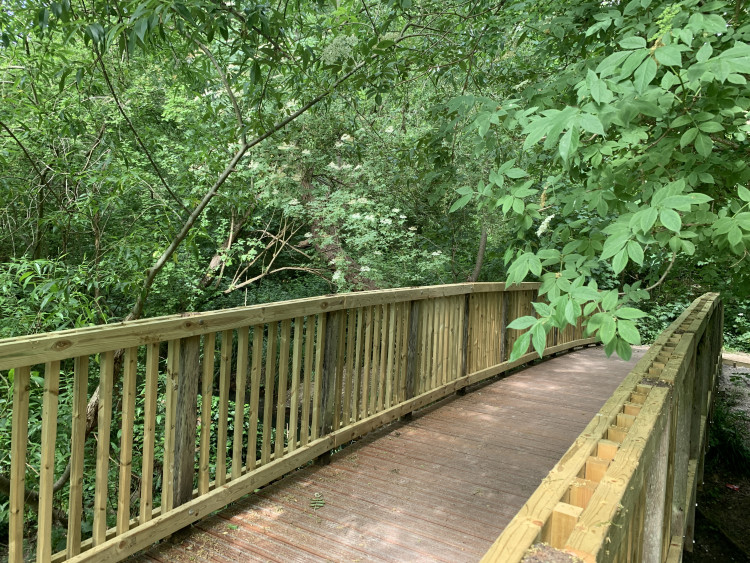
Alongside street planting, investment in local green corridors such as the Hogsmill walk has strengthened the connection between residential streets and nearby natural spaces.
The route now functions as a widely used local walking corridor, offering a quieter green link through the ward where seasonal change is more visible and daily contact with nature more accessible.
Nearby, Plough Pond has also seen improvements and now acts as a small but important local habitat and gathering point.
Not without challenges
Establishing a young urban forest at scale brings practical challenges.
Newly planted trees require sustained watering during dry periods, placing ongoing demands on maintenance teams, particularly during increasingly warm summers.
Fruit-bearing trees can also create short-term maintenance issues when fallen fruit accumulates on pavements.
There has also been ongoing dialogue with residents about planting locations, reflecting the competing pressures of pavement space, visibility, parking, and access in a dense residential environment.
These considerations continue to shape how the programme evolves.
Heat, resilience and changing conditions
Recent summers have made the role of urban tree canopy more visible than ever.
During periods of extreme heat, shaded residential streets provide noticeably more comfortable conditions for pedestrians and residents, particularly older people and young children.
Tree canopy is increasingly viewed not only as environmental enhancement, but as part of local climate resilience, helping to moderate temperature extremes and reduce heat stress in built-up areas.
In relation to the programme, Cllr Massimi said: "Every tree planted now is a small increase in resilience for the future. In periods of extreme heat, a shaded street is not just more pleasant, it becomes a safer place to be."
Looking ahead
Many of the trees now lining Old Malden's streets are still young. Some will take decades to reach full maturity. Others, such as black mulberry and ginkgo, are effectively long-term ecological investments.
They will outlast current residents and current phases of local decision-making.
That is, in a sense, the point.
The most meaningful changes in a place are not always the most immediate or visible. Sometimes they are the ones that quietly take root and only reveal their full impact years later, in shade, in biodiversity, and in the way a street feels on a warm spring afternoon.
CHECK OUT OUR Jobs Section HERE!
kingston vacancies updated hourly!
Click here to see more: kingston jobs

Share: