
From Driver to Responder: The Growing Role of Motorists in Emergency Situations
In 2026, the definition of a "good driver" is evolving. It's no longer just about smooth parking or confident navigation - it's about something far more important: being prepared to help in an emergency.
A growing focus on first aid awareness means motorists are increasingly seen as part of a wider safety network - people who could be first on the scene when it matters most.
Why Drivers Matter: The Golden Minutes
Drivers are often among the first to encounter incidents, whether it's a road traffic collision or a sudden medical emergency in a public place.
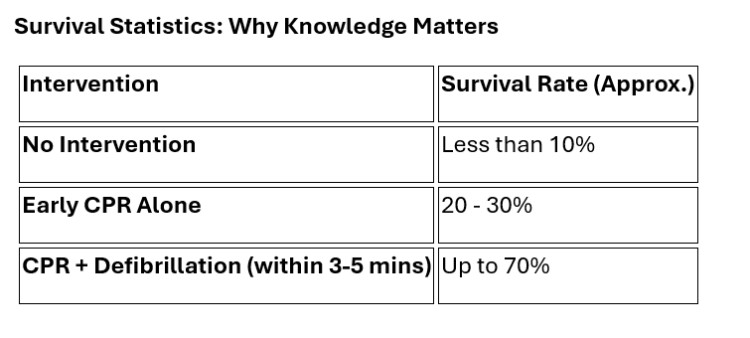
When it comes to cardiac arrest, timing is critical:
- CPR and defibrillation within 3 - 5 minutes can dramatically increase survival rates
- Each minute without intervention reduces survival chances by around 10%
That small window - sometimes called the "golden minutes" - is where bystanders can make a lifesaving difference.
What's New in the 2026 Theory Test?
As of early 2026, the Driver and Vehicle Standards Agency (DVSA) has updated the UK driving theory test to include enhanced questions on cardiopulmonary resuscitation (CPR) and the use of automated external defibrillators (AEDs).
The updated question bank moves beyond simply "call 999" and into the practicalities of emergency care. Learners - and those refreshing their knowledge - are now expected to understand:
- Compression precision: The correct depth (5 - 6 cm) and rate (100 - 120 beats per minute - roughly the tempo of Stayin' Alive)
- AED confidence: Public defibrillators are designed for anyone to use, providing clear voice instructions and only delivering a shock when necessary
- Recognising cardiac arrest: Understanding the difference between a heart attack and cardiac arrest, where a person is unresponsive and not breathing normally
With around 2.4 million people taking the theory test each year, this shift is helping build a nationwide base of drivers equipped with essential, potentially life-saving knowledge.
Becoming an 'Emergency Ready' Motorist
This shift is influencing how people think about their cars. Beyond comfort and convenience, there's a growing focus on readiness.
More drivers are now choosing to keep:
- Basic first aid kits
- Emergency contact tools
- Simple safety equipment within easy reach
It's less about expecting the worst and more about feeling prepared for the unexpected.
For those considering a vehicle that supports a practical, safety-focused lifestyle - including space for essential gear and strong safety features - it's worth exploring suitable options (you can browse here: Swansway Motor Group).
The Final Word
Roads are shared spaces and increasingly, so is responsibility for safety.
Being a capable driver now goes beyond operating a vehicle - it includes awareness, preparedness and the confidence to act if needed.
Next time you're behind the wheel, remember you're not just a traveller; you're a potential hero in the waiting.
New kingston Jobs Section Launched!!
Vacancies updated hourly!!
Click here: kingston jobs
Share: